Skip to content
New here? Get 10% off your first order. Applied automatically at checkout.

CHOOSE YOUR SOLUTION

Building signs: choose the location before the finish

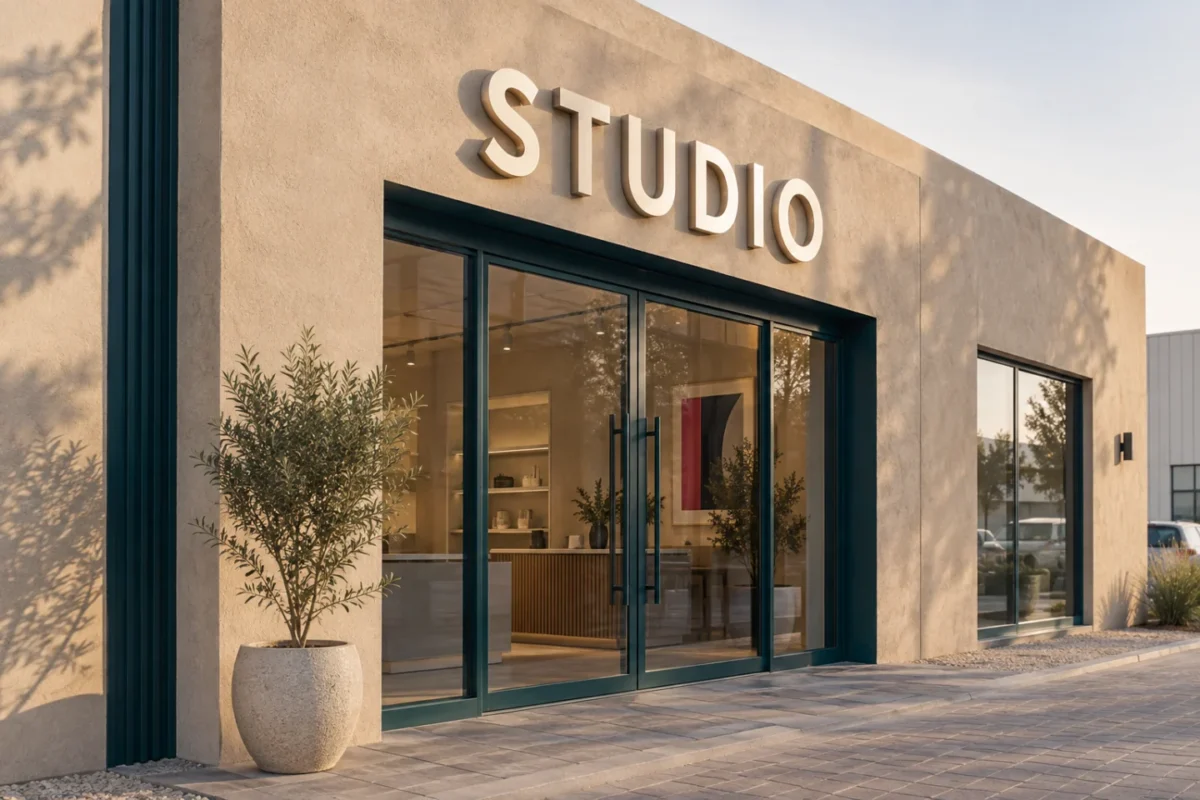
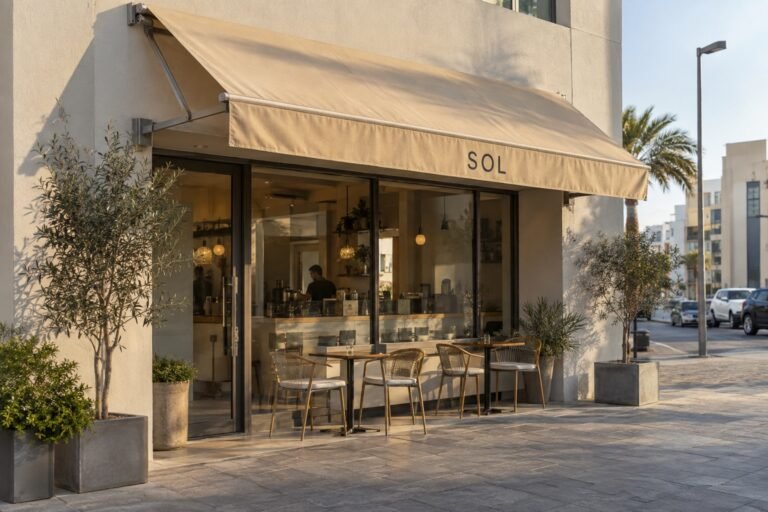
Above a shop entrance: use the available fascia or approved sign area to identify the business. Check the approach from the pavement and whether the entrance is obvious beside neighbouring units.

On a building: consider where people first see the name, the height of the sign and the available mounting surface. A close-up entrance sign and a larger building identifier serve different viewing distances.

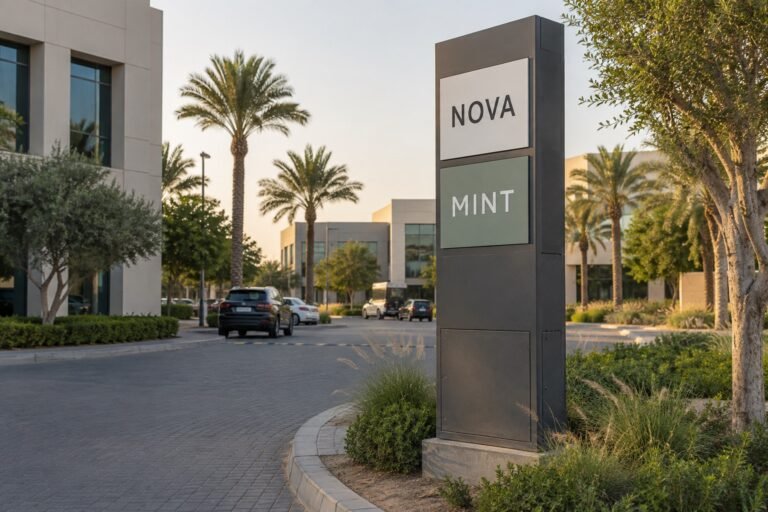
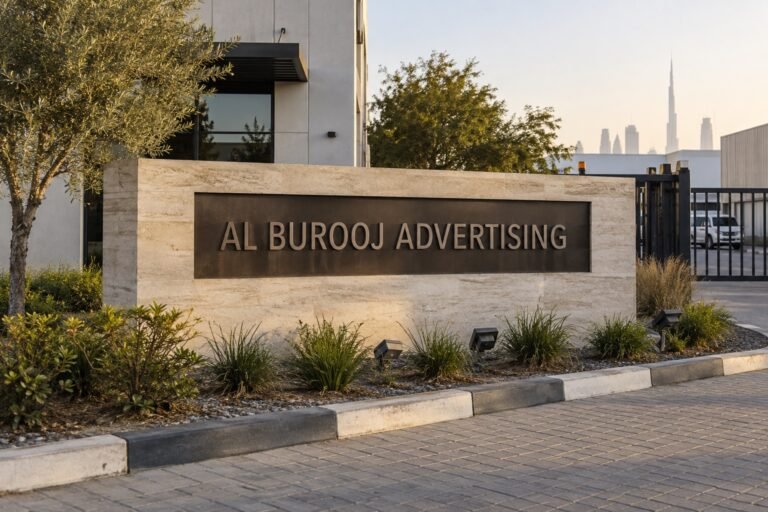
At a site entrance: compare freestanding identification such as a pylon or monument sign where appropriate. Position, sightlines, foundations and the required approvals need project-specific review.

Building signs and illuminated signs can overlap

This category starts with the location and structure. Lighting is another design choice: your storefront may use non-illuminated metal letters, face-lit letters or a backlit treatment. Explore illuminated signs and channel letters when the lighting effect is the main decision.

Permanent identity or a temporary message?

A business name may stay in place for years, while an opening announcement or project message may change quickly. Tell us the intended display period and what needs replacing later. For broader short-term options, see outdoor and temporary signs.

Explore building and storefront sign options

Choose the closest starting point below. You can include a main sign, entrance identification and a temporary opening message in one brief, with a separate scope for each item.

metal signs in dubai

Metal signs

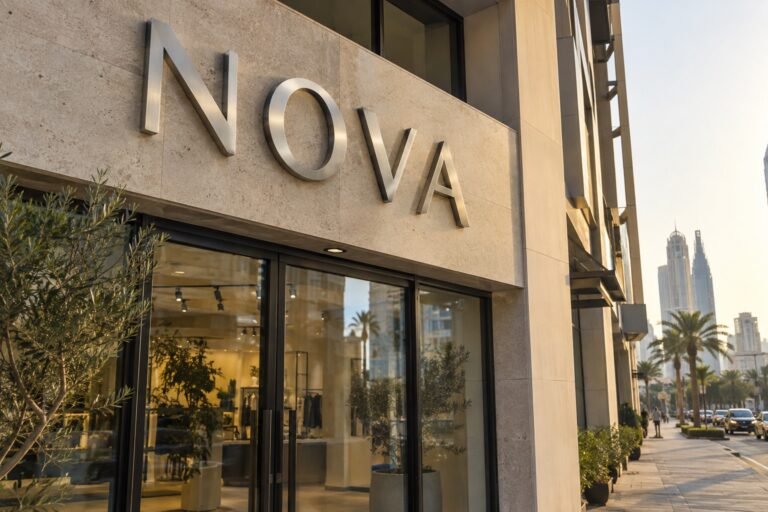
Compare metal lettering and sign panels for a defined architectural finish. Send the logo, dimensions and mounting location, then discuss the metal specification, surface finish, backing and fixing details. The Solid Stainless Steel Letters product shows a separate-letter metal option.

temporary signage in dubai

Temporary signage

Plan opening notices, short-term promotions or project messages for a defined period. Include the display dates, mounting surface and removal requirements; a temporary message still needs an appropriate installation scope. For a printed-banner option, compare the Custom Vinyl Banner product.

storefront signage in dubai

Storefront signage

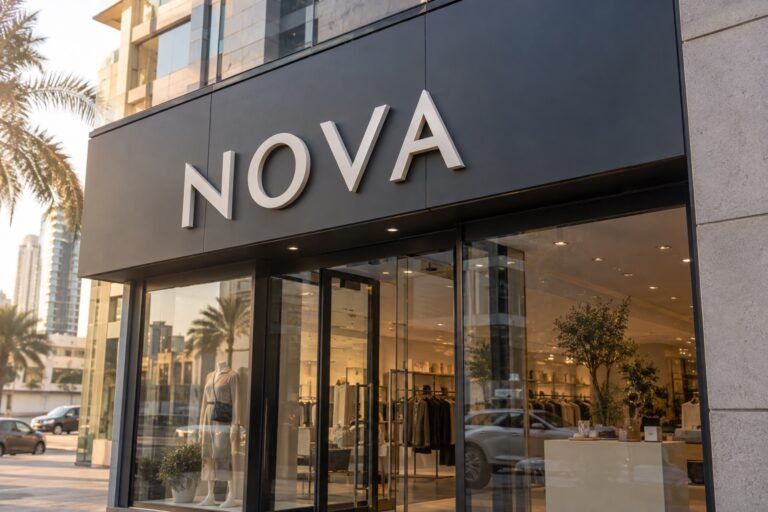
Identify a shop, showroom or business entrance with a coordinated fascia or lettering design. Provide a straight-on frontage photo, available sign area and any landlord or development design guidelines. If illuminated letters suit the brief, see the Face Lit Sign product as one format to assess.

awning signs in dubai

Awning signs

Add business identification to an awning design or enquire about graphics for an existing awning. Specify whether the brief is branding only or includes a new structure, and share its dimensions and condition.

pylon signs in dubai

Pylon signs

Discuss taller freestanding identification for a site or multi-tenant location. Provide the proposed position, tenant list and site information so visibility, structure, groundworks and approvals can be assessed.

carved and sandblasted signs in dubai

Carved & sandblasted signs

Explore a recessed or textured treatment for lettering and graphic details. Share a reference for the intended appearance and confirm the proposed base material, finish and suitability for the location.

monument signs in dubai

Monument signs

Consider a lower, ground-level identification feature at an entrance or landscaped site. Show the approach, available space and surrounding finishes; agree the sign, base and any civil-work responsibilities separately.

billboard signs in dubai

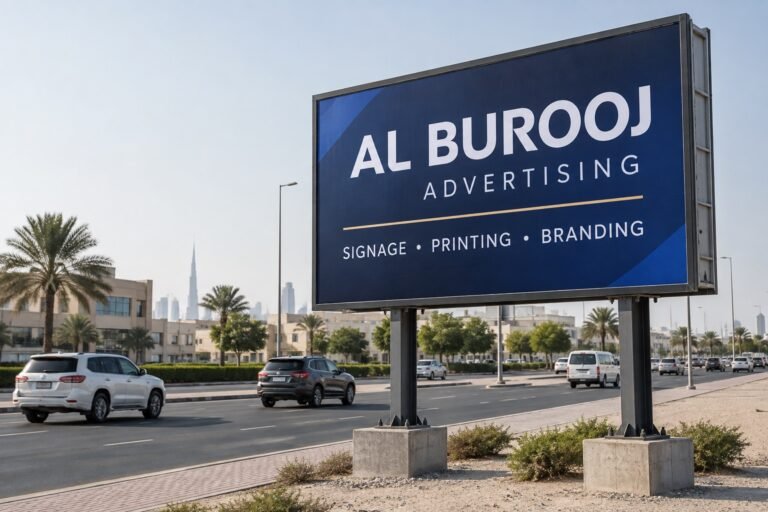
Billboard signs

Enquire about a larger advertising display using the actual site, dimensions and campaign requirements. Clarify whether you need a display face, replacement graphic or a broader sign scope; fabrication is separate from booking advertising space. The Billboard Printing product covers a print-only option, not the display site or media booking.

What to send for an exterior signage quote

  • Site and frontage: give the address or location pin, a wide view of the premises and a straight-on photograph of the sign area.
  • Available dimensions: note the approximate width, height and mounting level; identify measurements that still need checking.
  • Brand artwork: provide the logo, colours and approved business name or wording in the required languages.
  • Viewing conditions: explain where people approach from, when the business operates and whether night-time visibility matters.
  • Surface and access: show cladding, walls, existing supports and any sign to be removed. Mention delivery, parking and working-hour restrictions.
  • Lighting and approvals: identify any known power provision and attach landlord, development or authority requirements already supplied to you.

A photograph with the proposed area marked is a useful starting point. Final dimensions, fixing details and site suitability should be confirmed before fabrication; a visual mock-up alone does not establish them.

Balance readability, finish and lighting

Keep the primary message clear. Prioritise the business name or essential identity before adding supporting words. View the proposed layout as part of the whole frontage, including doors, neighbouring signs and architectural features, rather than judging a cropped logo alone.

Compare the actual construction. Flat panels, separate metal letters and built-up letters create different depth and shadow. Ask the quote to identify the material, thickness or construction, finish and fixing approach. Check the proposed specification for the site’s outdoor exposure and ask what maintenance and warranty terms apply.

Review the night-time effect. Face-lit lettering illuminates the letter face; a halo-lit treatment creates light around the letters against a backing surface. Ask to see how the proposed effect relates to your wall and logo. Power, cabling, electrical work and access for servicing need an agreed scope alongside the sign.

Plan site access, installation and future maintenance

A sign’s size is only part of the installation brief. Mounting height, the actual supporting surface, access equipment and working hours can change the approach. Tell us whether the premises will be trading during installation and who coordinates access with building management.

For freestanding or larger signs, identify who is responsible for structural design, foundations, electrical provision and any required technical review. Check these responsibilities in writing. Plan how the sign will be reached for cleaning, inspection and component replacement after handover, rather than leaving maintenance access until later.

Check the approval route for the actual site

Check the applicable permission and design requirements before committing to fabrication. Mada Media’s building advertising services describe several building-sign categories. For sites within the relevant DDA jurisdiction, consult the Dubai Development Authority advertising permit service. The route depends on the location and sign type; one approval process should not be assumed to cover every Dubai property.

Provide the landlord or developer’s sign criteria and any existing correspondence. Agree who will prepare drawings, seek permissions and pay associated fees. Artwork approval by the customer is separate from a landlord or authority approval.

Compare quotations on the same scope

Ask for dimensions and quantities alongside the materials, finish, lighting, artwork and fitting work. Check whether the quote includes removal of the old sign, access equipment, electrical connections, groundworks, drawings or approval-related costs. Two signs with the same overall width can have very different construction and installation requirements.

Share your target opening date early, then agree a schedule around design approval, site readiness and any permissions. We welcome enquiries across the UAE, but delivery, surveys and installation outside Dubai are confirmed individually. Our business location is in Al Quoz, Dubai.

FROM BRIEF TO HANDOVER

From frontage photo to an agreed sign scope

Keep the layout, site information and quotation aligned so the finished sign matches the agreed location and purpose.

  1. Describe the location
    Share photographs, available dimensions, branding and the required display period.
  2. Compare the options
    Review construction, finish, lighting, mounting and what the quotation includes.
  3. Check design and permissions
    Approve wording and layout, verify site details and resolve the applicable approvals before fabrication.
  4. Coordinate fitting and handover
    Agree site access, responsibilities and the installation schedule, then request the relevant care and maintenance information.

Storefront signs: 9 customer questions

Start with the location and the distance from which customers need to recognise the premises. Storefront signage usually identifies a particular shop or entrance. Building signage can identify the wider property or business at another position on the façade. Send a wide site photograph so the sign and entrance can be considered together.

Not every sign needs its own lighting. Consider your opening hours, the existing light around the frontage and the intended appearance after dark. If illumination is needed, compare the proposed effect together with power provision, installation and future servicing access.

A pylon sign generally presents information on a taller freestanding structure, while a monument sign is typically a lower identification feature near ground level. The appropriate choice depends on the approach, available space and site requirements. Structural, foundation and approval responsibilities need a project-specific scope.

Send photos of the existing sign and supports, dimensions and any available drawings. Reuse needs a condition and suitability assessment; it should not be assumed from appearance alone. Check removal, disposal, surface repairs and any replacement supports separately in the quote.

The price depends on dimensions, construction, finish, lighting, artwork and installation conditions. Mounting height, access equipment, old-sign removal and electrical or civil work can change the scope. Share the location and photographs so the quote can identify the actual work rather than relying on size alone.

Do not assume they are included. The required route depends on the site and type of sign. Share the property’s design criteria and confirm who handles drawings, applications and fees. Ask for any permit assistance to be listed in the quotation; customer artwork approval is not authority approval.

Send approved wording in both languages and the business name as it should appear. Review the relative spacing, reading order and letter layout before the dimensions are finalised. Check the wording and design against the applicable property and authority requirements, and confirm any translation assistance separately.

Timing depends on the agreed construction, artwork approval, site readiness, access and any permissions. Provide the intended opening or installation date at the enquiry stage. A schedule needs to be confirmed for the actual job; a design preview alone does not reserve an installation date.

For a site within DDA’s applicable free-zone jurisdiction, its advertising-permit guidance lists a location plan, tenant or owner trade licence, existing-façade photograph, scaled sign artwork with dimensions and material details, a façade mock-up and a plot-owner NOC. Building signage can need a contractor appointment letter, and technical documents may also apply. Check the current checklist and responsible authority for your exact site before fabrication.

YOUR NEXT PROJECT

Show us the frontage you want to sign

Send a location photo, your logo and the approximate sign area. Tell us when the sign needs to be visible and whether you need a new installation or a replacement.

SPEAK TO SALES

Mon–Sat · 9:00 AM–7:00 PM
Al Quoz, Dubai